Access
One gate
A single controlled entrance, appointment-only visits and a written visitor register.
Off-grid by design
Designed to run on solar generation and battery storage, with no generator as the everyday source. Quiet by day, dark by night.
Rainwater harvesting and recharge, with the land's streams and seeps protected, so the forest keeps its own water through the dry months.
Composting and treated greywater returned to the soil. The aim is that nothing leaves the land that the land could have used.
Reliable internet. Connected where it must be, quiet everywhere else.
Private and secure
Security at Vanvaas is about presence and discretion, not fortification.
Access
A single controlled entrance, appointment-only visits and a written visitor register.
People
A resident caretaker team on the land, day and night, who know every path.
Perimeter
A marked, maintained boundary designed around animal movement routes, not across them.
Privacy
No drone overflights, no photography of members without consent, and no sharing of member details.
Safety
A written emergency plan, first-aid-trained staff.
Flora and fauna
Vanvaas adjoins the Talakaveri Wildlife Sanctuary, so wildlife moves freely across the boundary. A baseline survey in the first year records what is already here. After that, seasonal monitoring tells us whether the forest is thriving, and what we should change if it is not.
Over 90% of Vanvaas is kept as minimum-intervention forest, closed to routine access. We honour the Kodava tradition of sacred groves, devarakadu, wherever we find them.
What lives here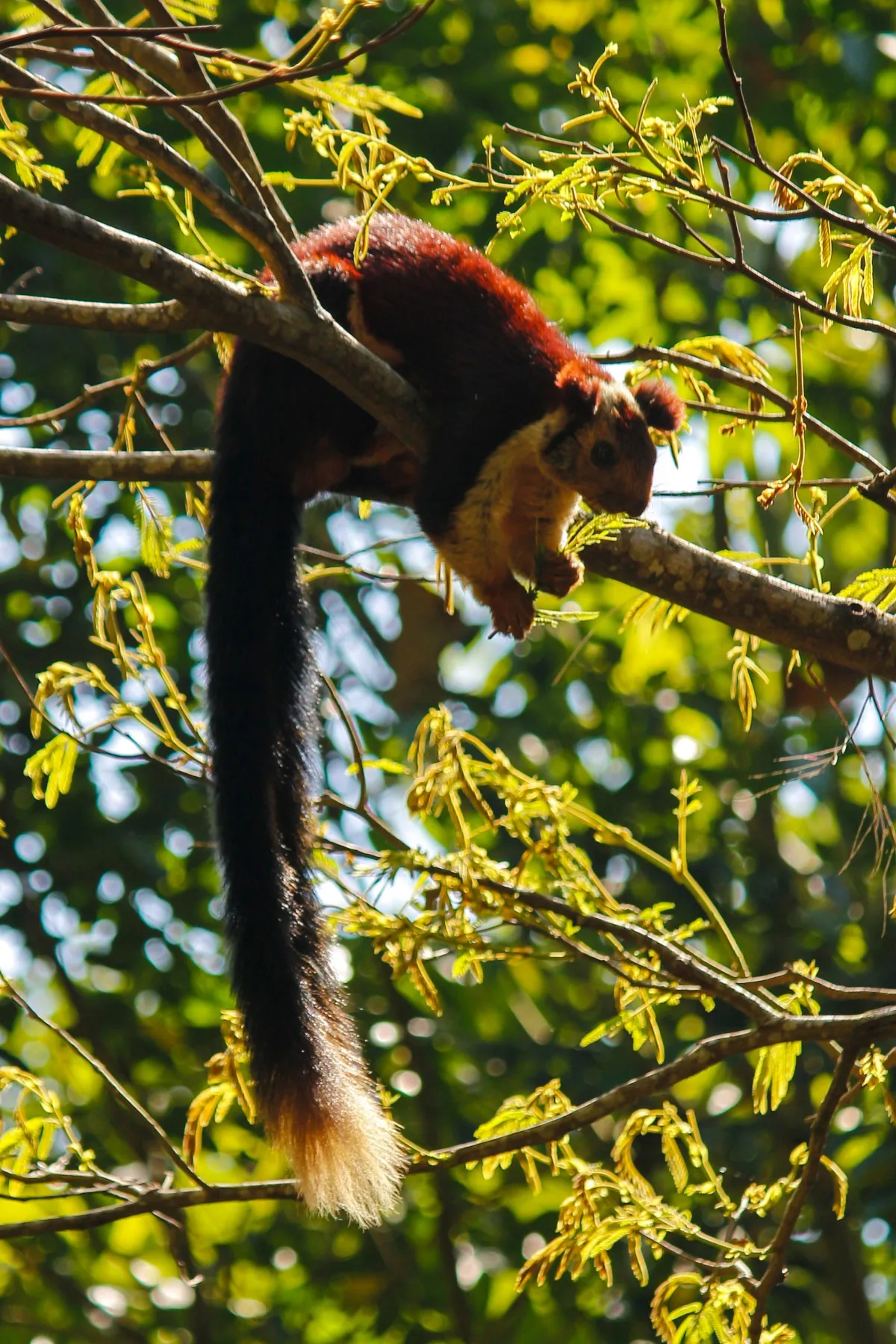
The people of the land
Vanvaas employs, trains and learns from people of the surrounding villages: caretakers, guides, naturalists and cooks. They know this country in ways no visitor will.
Their livelihoods are part of the plan, not an afterthought to it. A forest that the neighbouring villages feel excluded from is not a protected forest for long.
Talk to us about Vanvaas